
Things Drivers Forget to Do Before Emergency Tow Arrives
Exploring the critical steps drivers often overlook before professional help arrives can make a meaningful difference during a roadside breakdown. Stress, uncertainty, and safety concerns tend to pile up quickly, but thoughtful preparation can significantly reduce frustration. When handled correctly, emergency towing becomes a supportive solution rather than an added complication. Understanding what to do ahead of time helps drivers stay calm, organized, and confident while waiting for assistance. With the right mindset and actions, a difficult situation can turn into a manageable and well-coordinated experience.
Professional providers of emergency towing are trained to help in high-pressure situations, but drivers also play an important role in ensuring the process goes smoothly. Small steps taken early can save time, protect belongings, and prevent miscommunication. Preparing properly allows towing professionals to do their job efficiently while prioritizing driver safety. This guide highlights common oversights and explains how addressing them leads to a smoother roadside experience.
Ensure The Vehicle Is Positioned Safely And Securely
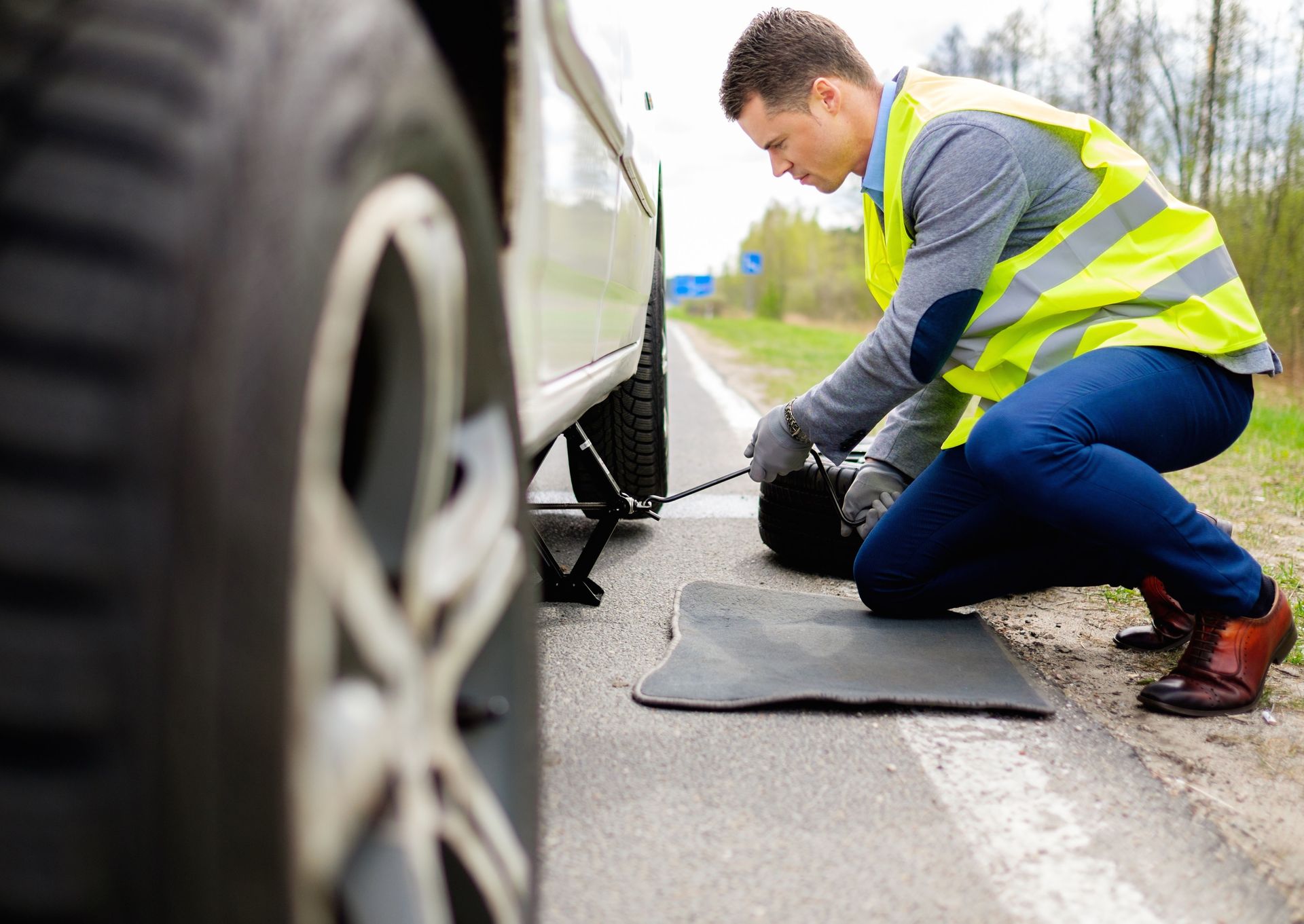
One of the most important actions before emergency towing arrives is making sure the vehicle is positioned in the safest possible location. Pulling over to a shoulder, emergency lane, or parking area reduces the risk of secondary accidents. Activating hazard lights immediately alerts other drivers that the vehicle is disabled and requires extra caution. If available, reflective triangles or flares add another layer of visibility, especially during nighttime or low-visibility conditions. These steps protect both the driver and approaching traffic.
Securing the vehicle is just as important as making it visible. Engaging the parking brake helps prevent unwanted movement, particularly on slopes or uneven surfaces. Turning the wheels toward the curb when stopped on an incline can further reduce the risk of rolling. Drivers should exit the vehicle carefully, ideally from the side farthest from traffic. Remaining aware of surroundings helps maintain safety while waiting for emergency towing assistance.
Many drivers underestimate how quickly an unsafe location can escalate a breakdown into a more serious incident. Taking a few moments to reposition and secure the vehicle demonstrates responsibility and awareness. These actions also allow emergency towing professionals to work more efficiently once they arrive. A secure setup lays the groundwork for a controlled and professional recovery process.
Gather Essential Documentation Before Assistance Arrives
Having necessary documents ready can streamline interactions with emergency towing providers. Vehicle registration confirms ownership and ensures proper authorization for transport. Insurance information is equally important, as it may be needed for claims or coverage verification. Keeping these documents accessible avoids delays and confusion when time matters most. Preparation allows the towing professional to focus on recovery rather than paperwork issues.
According to Market.Us, towing services account for just over 40% of the service-type market in 2024, reflecting how frequently drivers rely on emergency recovery support. This growing share highlights the demand for dependable roadside assistance during unexpected breakdowns. When drivers have documentation ready, emergency towing providers can respond faster and with fewer complications. Organization benefits everyone involved in the process.
Remove Valuable And Personal Items From The Vehicle
Before emergency towing begins, drivers should remove personal belongings from the vehicle whenever possible. Items such as wallets, electronics, medications, and important documents should be collected immediately. Checking the glove compartment, center console, and trunk ensures nothing essential is left behind. These areas often store items drivers may need sooner than expected. Removing valuables reduces the risk of loss and inconvenience later.
Drivers should also remember to detach removable accessories like phone mounts or GPS devices. Personal paperwork, work materials, or emergency supplies should be gathered as well. Once emergency towing transports the vehicle, access may be limited for a period of time. Taking a few extra minutes upfront prevents unnecessary stress during retrieval.
Stay Visible And Alert While Waiting For Assistance
While waiting on the roadside, maintaining visibility and situational awareness is critical for personal safety. Remaining alert to surrounding traffic helps drivers react quickly if conditions change. Standing a safe distance away from the roadway, preferably behind a guardrail if available, reduces exposure to passing vehicles. Staying visible and attentive allows drivers to protect themselves while professionals handle the vehicle recovery.
Using hazard lights consistently and avoiding distractions such as excessive phone use helps maintain awareness. Drivers should keep an eye on traffic patterns and weather conditions, especially during heavy rain or fog. This awareness ensures quick responses if repositioning becomes necessary. A cautious and alert posture complements the work of roadside professionals.
Safety-focused behavior reassures towing crews upon arrival and supports a controlled recovery environment. Remaining visible, calm, and observant contributes to a smoother interaction. These habits reduce risk and demonstrate responsible roadside conduct. Personal safety should always remain the top priority while waiting for assistance.
Understand What The Tow Process Will Involve
Knowing what to expect during the towing process can ease uncertainty and reduce stress. Drivers benefit from understanding how vehicles are secured, lifted, and transported. This knowledge prevents surprises and builds trust in the professionals handling the situation. Awareness of the process allows drivers to ask informed questions if needed.
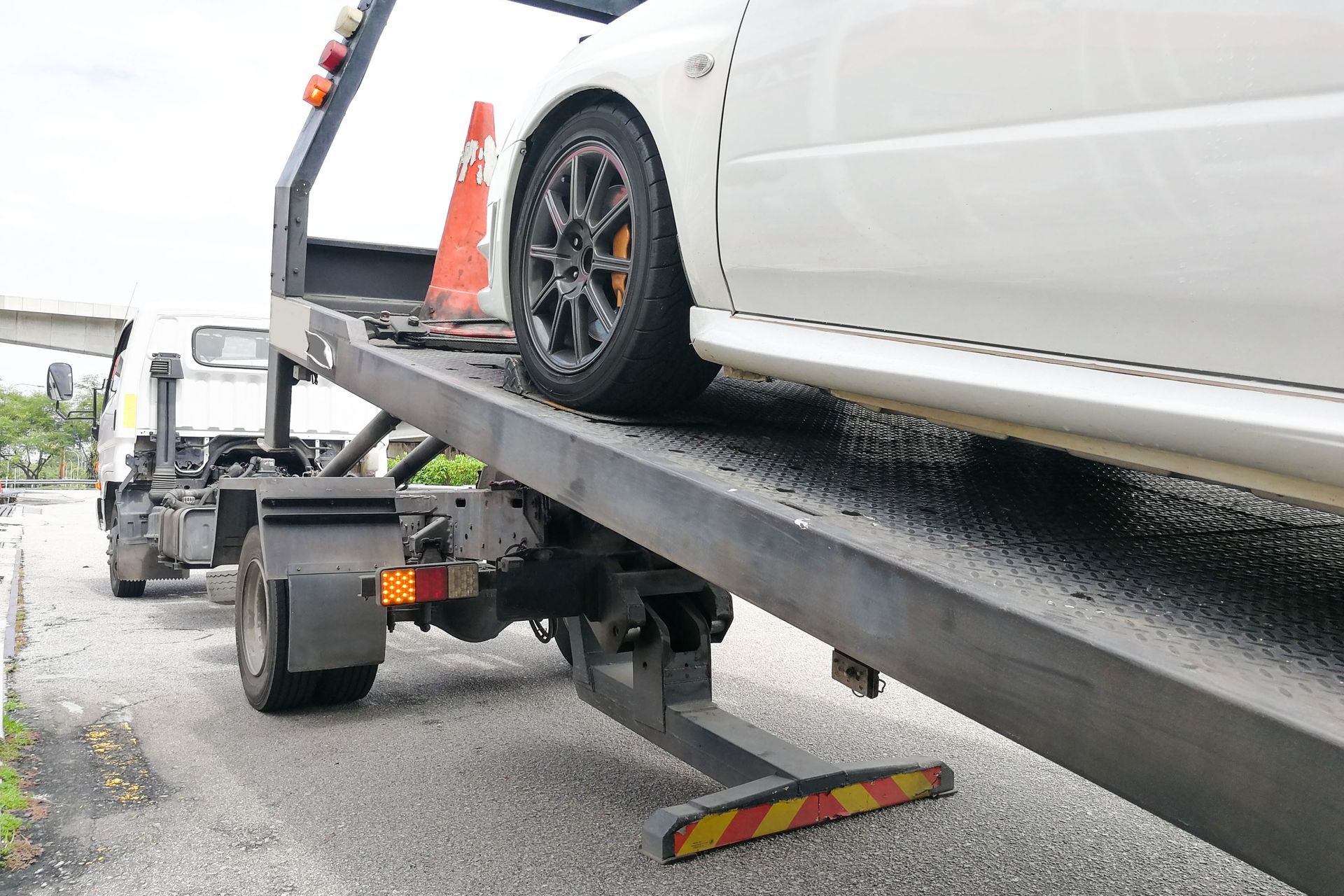
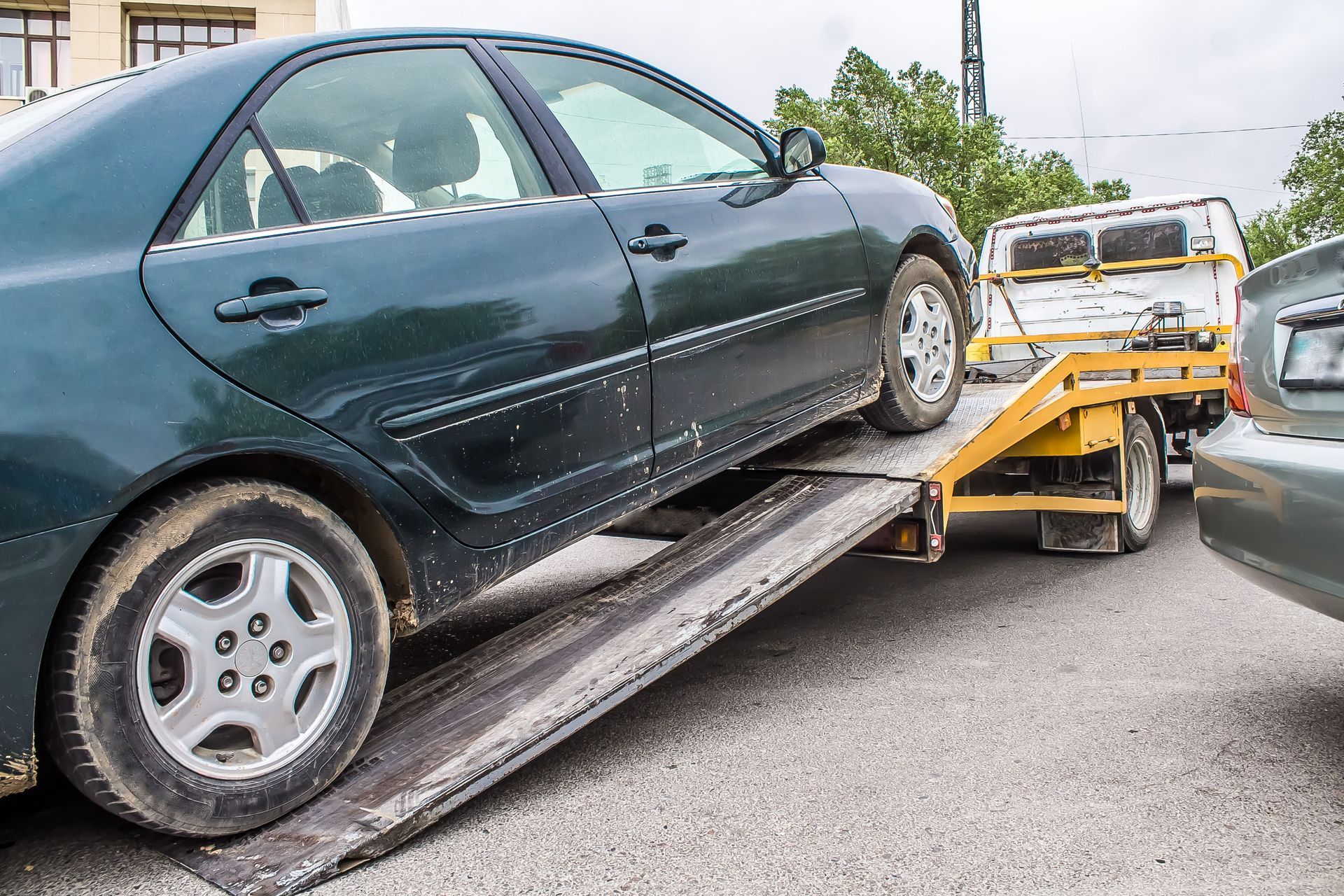
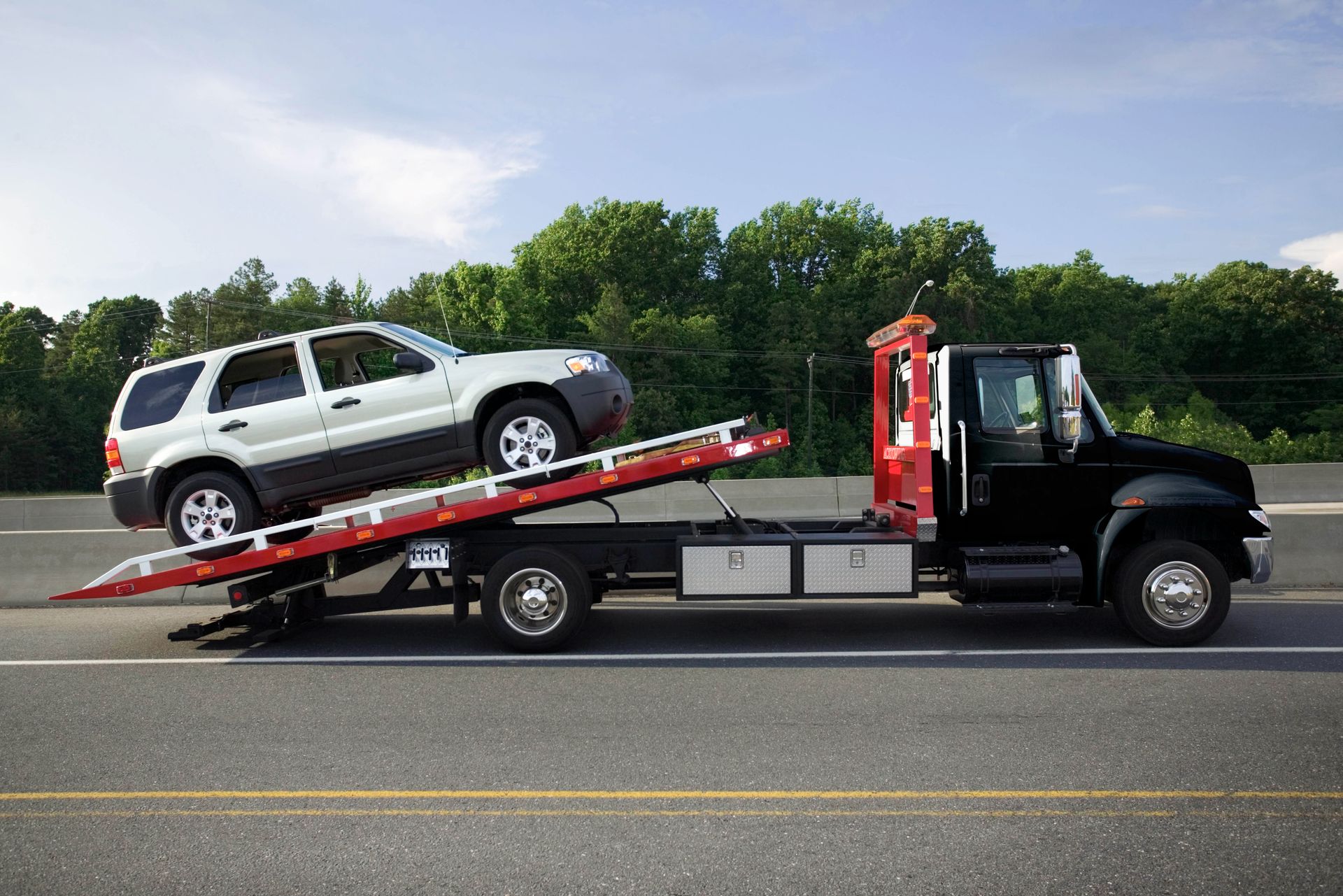
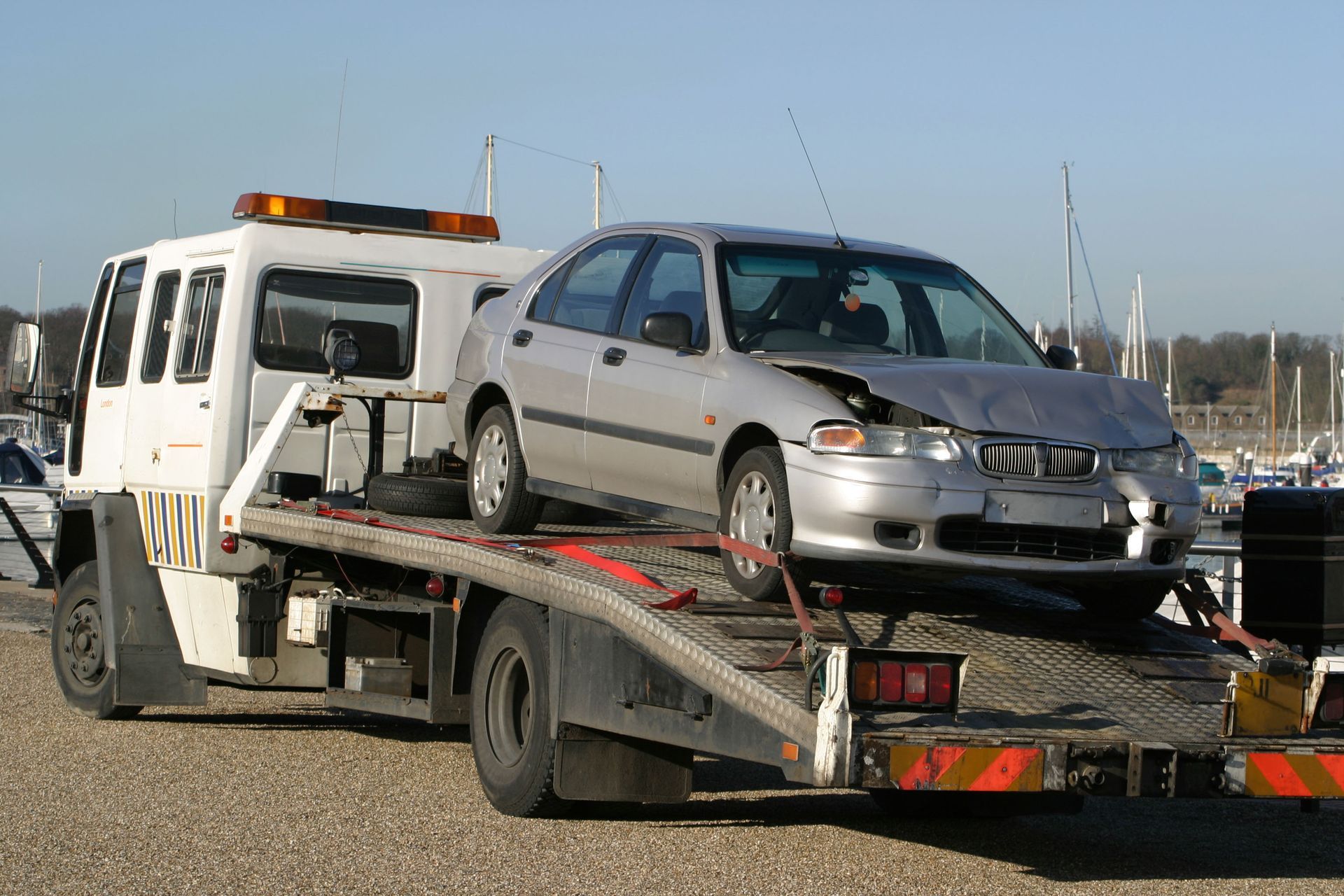
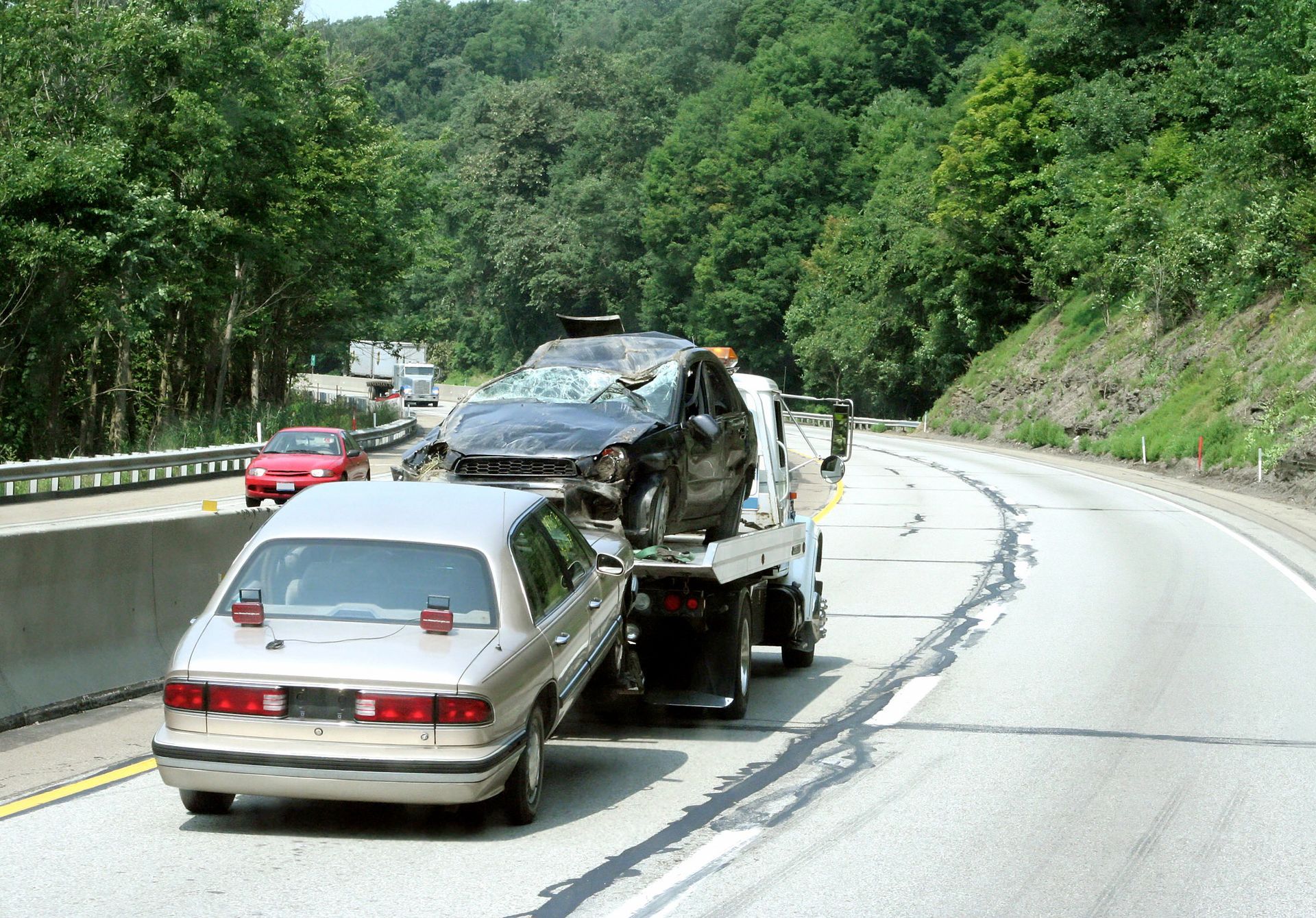
Different vehicles and breakdown scenarios may require specific equipment or procedures. Flatbeds, wheel lifts, and winches are commonly used depending on the situation. Understanding these basics helps drivers feel confident that their vehicle is being handled properly. Clear expectations support a calm and cooperative experience.
Being informed also helps drivers prepare for the next steps after transport. Knowing where the vehicle will be stored or repaired adds clarity during an otherwise uncertain time. This understanding reinforces confidence in the service being provided. Education and transparency work together to reduce anxiety.
Plan For Transportation After The Vehicle Is Towed
Arranging alternative transportation is an important consideration during a roadside breakdown. Drivers should think ahead about how they will get home, to work, or to another destination. Planning early prevents last-minute scrambling once the vehicle is removed. Reliable transportation ensures continuity despite the disruption.
Friends, family, rideshare services, or rental options may all be viable solutions. Having contact numbers saved makes coordination faster and easier. Thinking through these options while waiting helps drivers stay organized. Preparedness minimizes downtime and frustration.
Considering transportation needs also supports overall peace of mind. Once a plan is in place, drivers can focus fully on resolving the vehicle issue. This foresight contributes to a more controlled and confident response. Planning ahead turns inconvenience into a manageable adjustment.
Communicate Clearly And Thoroughly With The Provider
Clear communication plays a major role in the success of emergency towing. Providing accurate location details, including nearby landmarks or mile markers, helps drivers arrive promptly. Explaining the nature of the vehicle issue allows the towing team to bring appropriate equipment. When everyone has the same understanding, delays are minimized and expectations are aligned.
It’s also helpful to confirm estimated arrival times and towing destinations ahead of time. Knowing where the vehicle will be taken eliminates last-minute decisions and confusion. Discussing payment methods and procedures in advance avoids awkward situations upon arrival. Open communication ensures emergency towing services are efficient and professional from start to finish.
Notify Trusted Contacts About The Situation
Letting friends or family know about a breakdown adds an extra layer of safety and reassurance. Sharing location details allows someone to check in or provide assistance if needed. Informing others about delays can help manage personal or professional commitments. Communication ensures drivers are not handling the situation entirely alone.
Keeping a trusted contact updated during the emergency towing process offers peace of mind. If plans change or the wait becomes longer than expected, someone else is aware of the circumstances. In some cases, friends or family can assist with transportation or other logistics. This support can be invaluable during stressful roadside situations.
Taking these preparatory steps often gets overlooked, yet they significantly improve the experience. Emergency towing is designed to assist drivers during challenging moments. When drivers are prepared, the service feels supportive and efficient rather than overwhelming. Readiness allows professionalism to shine through every stage of the process.
Thoughtful preparation, clear communication, and safety awareness all contribute to a better roadside experience. Emergency towing is a critical service that supports drivers when they need help most, and professional providers work hard to ensure safe and efficient recovery. By addressing common oversights, drivers can reduce stress and improve outcomes during unexpected breakdowns. A proactive approach turns uncertainty into confidence and frustration into reassurance. For reliable, professional assistance when it matters most, contact A-1 Towing Inc.




Share On: